Cycling a New Aquarium: The Step Most Beginners Skip
Ammonia, nitrite, nitrate — what the nitrogen cycle actually is, how to start it before adding fish, and how to read your test kit.
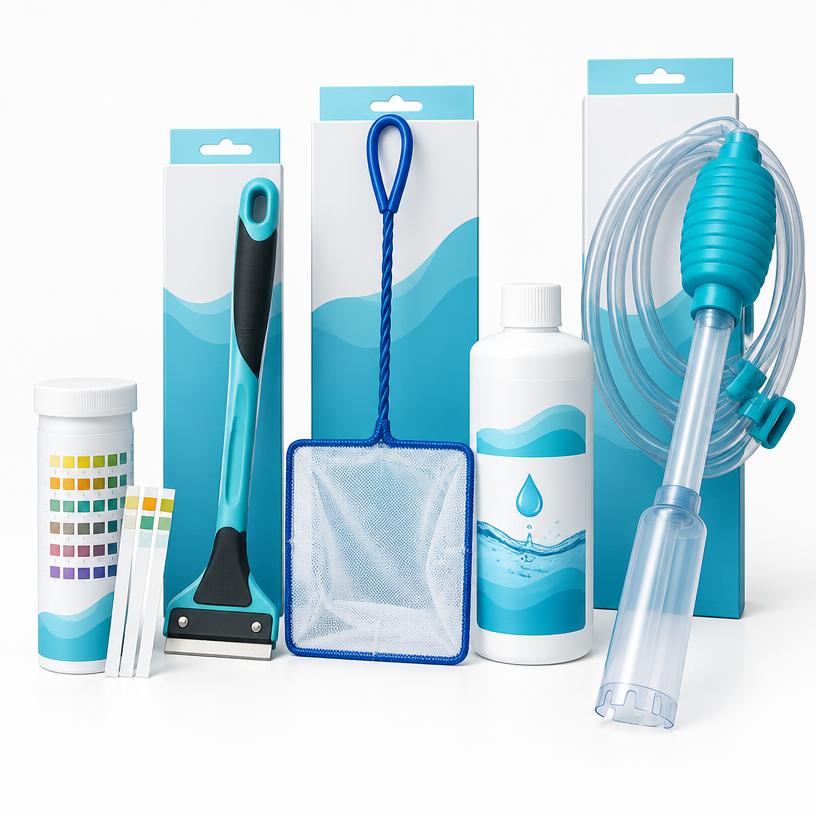
Why new fish die in new tanks
Fish produce ammonia, which is toxic within hours. In an established tank, bacteria convert ammonia to nitrite and then to far less harmful nitrate. A brand new tank has no such bacteria — that is 'new tank syndrome'.
Fishless cycling, step by step
Set up the tank fully, add a pinch of fish food or a dose of pure ammonia, and wait. Test every other day and record the numbers.
- Ammonia rises first, over roughly one to two weeks
- Nitrite appears next as the first bacteria colony establishes
- The tank is cycled when ammonia and nitrite both read zero and nitrate is present
Stock slowly
Even a cycled tank supports only the bioload it grew for. Add a few fish, wait two weeks, test, then add a few more.
Ongoing maintenance
A weekly 20 to 25 percent water change with a dechlorinated refill keeps nitrate low. Never replace all the water or scrub the filter media in tap water — that kills the bacteria you spent weeks growing.
Cycling your aquarium the right way
Most tap water is treated with chlorine or chloramine, so always use a conditioner that neutralizes both before adding water to a cycling tank. Test ammonia, nitrite and nitrate weekly until the cycle is established.
Test kits, conditioners and bacterial starters are available from Happy Pets Academy with fast shipping across the US.
Happy Pets Academy ships pet supplies nationwide.
Go deeper with a full course
Our vet-led courses turn these guides into step-by-step lessons — with lifetime access and progress tracking.