How Much Should I Feed My Dog? A Practical Guide
Use calories, body condition, age, and activity—not the scoop alone—to find a healthy daily portion for your dog.
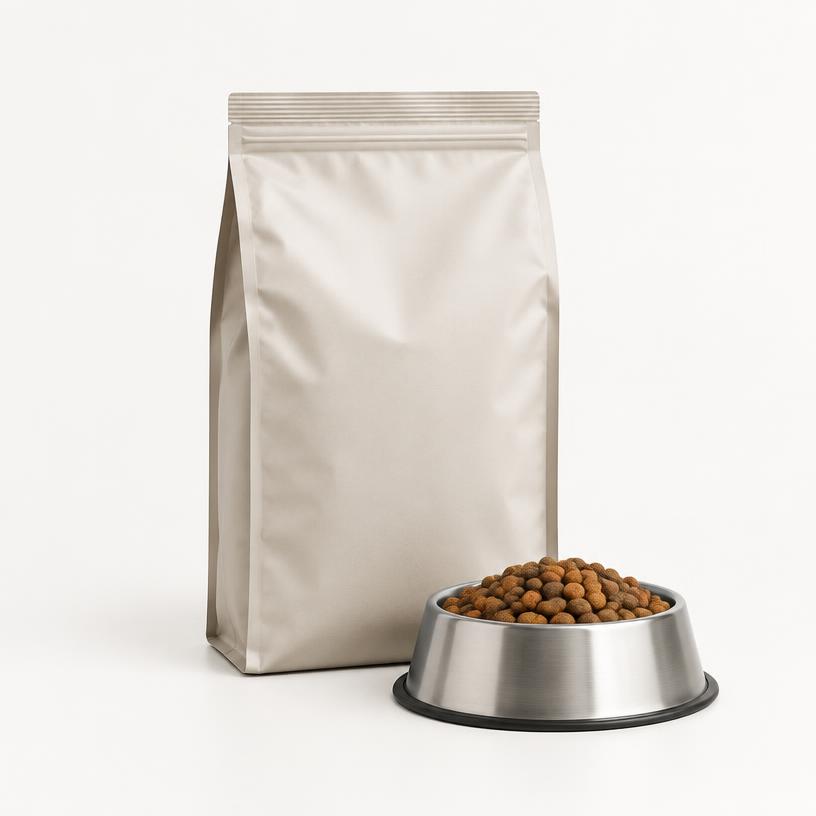
The bag is a starting point
Feeding charts estimate portions for broad weight ranges, but two dogs of the same weight can need very different calories. Age, neuter status, activity, health, and the food's calorie density all matter.
Find the calories per cup or can on the label and measure with a kitchen scale when possible. Scoops and cups can vary enough to add a full extra meal over several days.
Use body condition to adjust
At an ideal body condition, you should feel the ribs easily beneath a thin layer of fat, see a waist from above, and notice an abdominal tuck from the side. Recheck monthly rather than relying on weight alone.
- If weight is rising, reduce the measured daily total by about ten percent
- If weight is falling unexpectedly, contact your veterinarian
- Count treats, chews, and table food within the daily calories
Divide the daily total
Most healthy adult dogs do well with two measured meals. Puppies need three or four smaller meals, while dogs with certain medical conditions may need a schedule prescribed by their veterinarian.
Keep treats below roughly ten percent of daily calories so the main food can provide balanced nutrition. Use pieces of the regular meal for training when treats add up quickly.
Ask for an individual plan when needed
Growing puppies, pregnant dogs, athletes, seniors, and dogs with kidney, digestive, or endocrine disease need more precise guidance. Your veterinarian can calculate a starting calorie target and monitor changes safely.
Go deeper with a full course
Our vet-led courses turn these guides into step-by-step lessons — with lifetime access and progress tracking.