Wet or Dry Cat Food? What Actually Matters
Moisture, protein, calories and cost compared — plus how to switch foods without triggering a hunger strike.
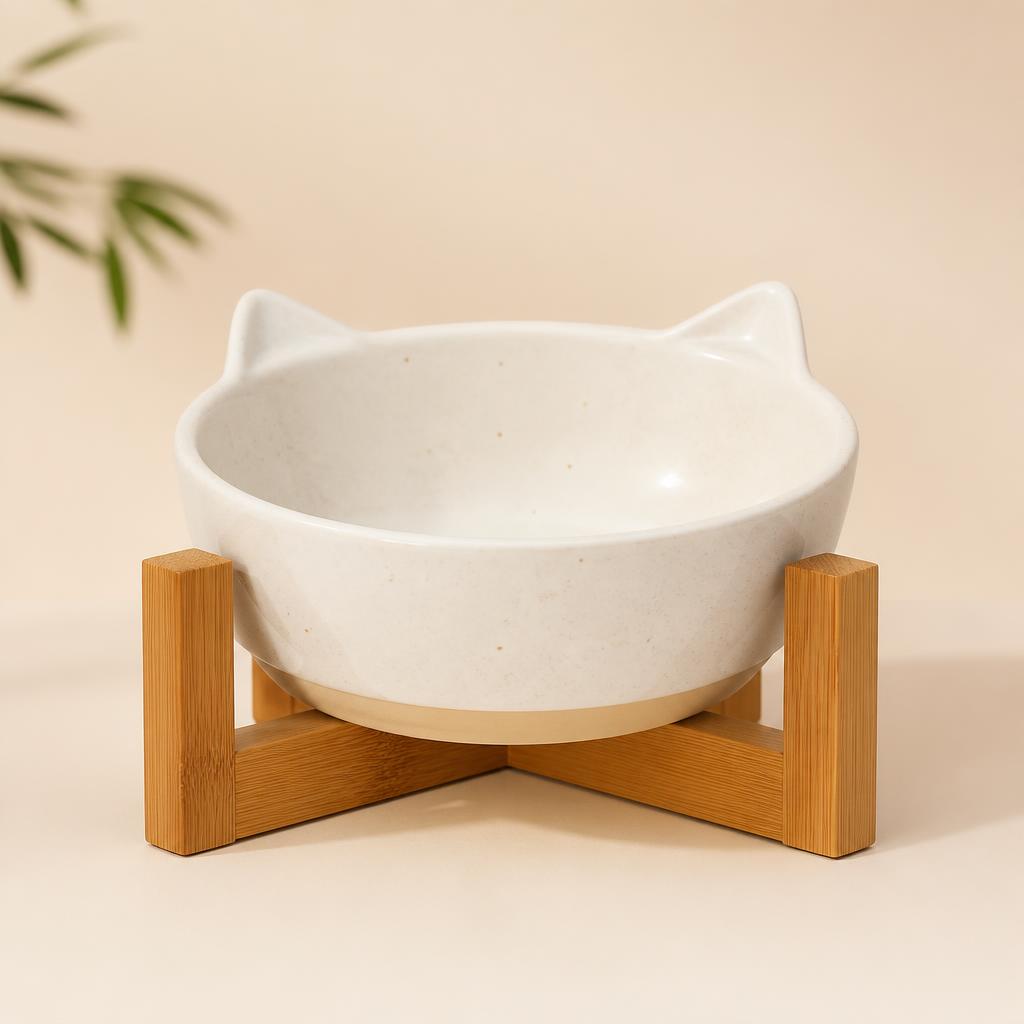
Cats are built for moisture in food
Cats evolved on prey that was roughly three-quarters water, and most cats do not drink enough to make up the gap on a dry-only diet. Wet food is the simplest way to raise daily water intake.
That matters most for cats prone to urinary or kidney problems, and for older cats generally.
Where dry food still earns its place
Dry food is cheaper per calorie, keeps well and works in puzzle feeders and hunting games. Many households do best with wet meals plus a measured portion of dry used for enrichment.
- Measure portions — free-feeding is the main cause of feline obesity
- Add a water fountain if your cat eats mostly dry
- Look for a named meat first on the ingredient list
Switch slowly
Move over about a week, mixing a little more of the new food each day. Never starve a cat into accepting a new diet — going without food for even a couple of days is genuinely dangerous for cats.
Feeding your cat well, day to day
Whichever food you choose, the practical wins are measured portions, a clean shallow bowl and easy access to fresh water.
We carry bowls, fountains and puzzle feeders with fast nationwide shipping.
Happy Pets Academy ships pet supplies nationwide.
Go deeper with a full course
Our vet-led courses turn these guides into step-by-step lessons — with lifetime access and progress tracking.